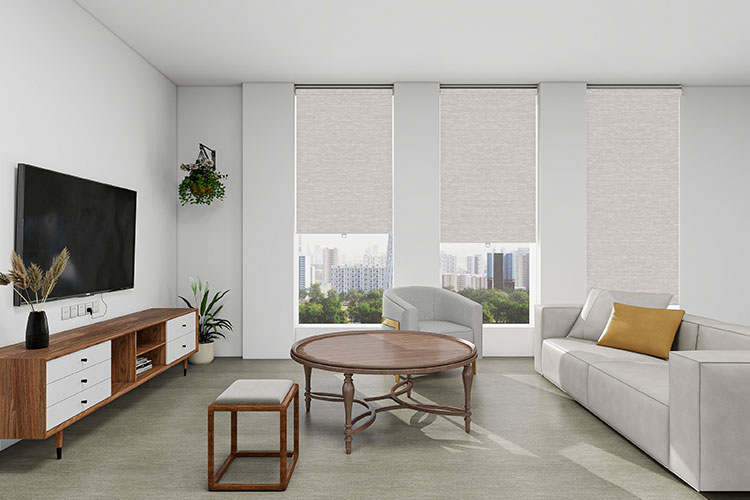
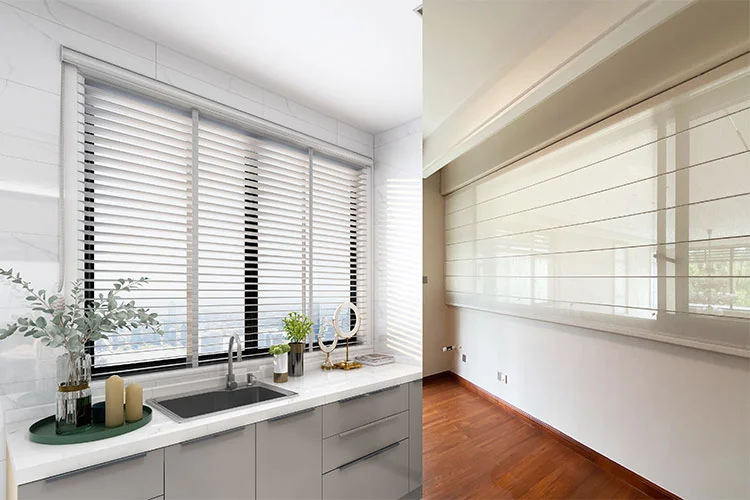
Twill fabric is one of the most widely used textile structures in the fashion and apparel industry. Known for its diagonal surface pattern, comfortable texture, and durable performance, twill has become a popular choice for clothing, uniforms, workwear, and many other textile applications.
Among different twill fabrics, Clear Vision Twill represents a modern approach that combines the classic twill weaving structure with refined fabric finishing techniques. Understanding how twill fabric is made helps explain why this type of material offers a balance between appearance, comfort, and practicality.
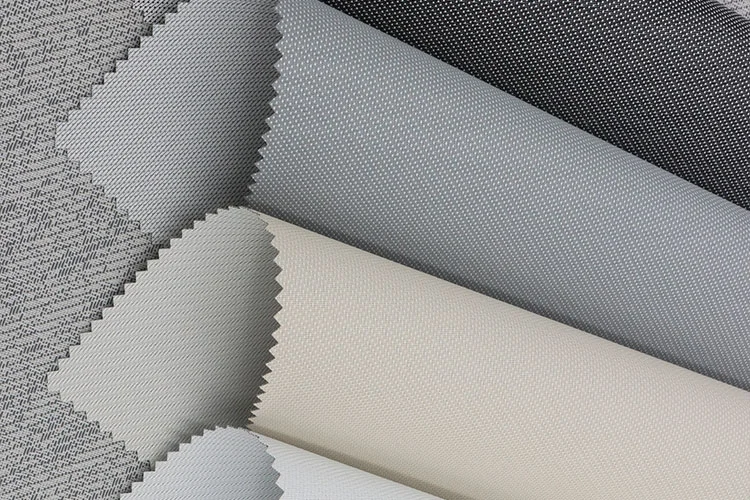
Twill fabric is a woven textile characterized by diagonal lines or ridges on its surface. These diagonal patterns are created through a specific weaving method where the yarns cross in an offset arrangement.
Compared with plain weave fabrics, twill fabrics usually have:
Because of these advantages, twill fabrics are widely used in various clothing and textile products.
The production of twill fabric involves several important steps, from yarn preparation to final finishing.
The first step in making twill fabric is selecting suitable yarn materials.
Common fibers used in twill fabrics include:
The choice of yarn affects the final fabric properties, including softness, strength, breathability, and appearance.
The unique diagonal pattern of twill fabric is created during the weaving process.
Unlike plain weave, where yarns cross one over and one under, twill weaving uses a stepped pattern that creates diagonal lines.
Common twill structures include:
Different weaving structures influence fabric thickness, texture, and durability.
After weaving, the fabric usually undergoes dyeing to achieve the desired color and appearance.
Modern dyeing technologies help improve:
Finishing is an important stage that enhances the performance and appearance of twill fabrics.
Possible finishing processes include:
For Clear Vision Twill, finishing techniques help create a cleaner surface appearance and improve the overall fabric experience.
Clear Vision Twill combines traditional twill weaving characteristics with modern textile processing methods.
Its key features may include:
The refined surface appearance makes it suitable for products that require both functionality and visual appeal.
The weaving process directly affects the quality of twill fabric.
Important factors include:
Advanced textile technology allows manufacturers to produce twill fabrics with improved consistency and performance.
Due to its combination of appearance and durability, Clear Vision Twill can be used in various textile applications.
Twill fabrics are commonly used for:
The durable structure of twill makes it suitable for workwear requiring frequent use and regular washing.
Some twill fabrics are used in outdoor apparel because of their strong structure and comfortable wearing characteristics.
| Feature | Clear Vision Twill | Plain Weave Fabric |
|---|---|---|
| Surface Pattern | Diagonal texture | Flat crossing pattern |
| Durability | Generally higher abrasion resistance | Depends on fiber and structure |
| Appearance | Structured and textured | Simple and clean |
| Wrinkle Resistance | Usually better | Usually lower |
| Common Uses | Apparel, uniforms, workwear | Shirts, lightweight clothing |
Twill fabric remains popular because it provides a practical balance between comfort, appearance, and durability.
For clothing designers and manufacturers, twill offers:
The textile industry continues to develop new twill fabrics with improved performance and sustainability.
Future trends include:
The production of twill fabric combines yarn selection, specialized weaving technology, dyeing, and finishing processes. These steps create a fabric structure known for its diagonal texture, durability, and comfortable feel.
Clear Vision Twill represents the continued development of twill materials by combining traditional weaving techniques with modern textile improvements. With its balanced performance and wide application range, it continues to be an important material choice in the textile and apparel industry.